
Why Should I Choose Non-Surgical Shoulder Repair?
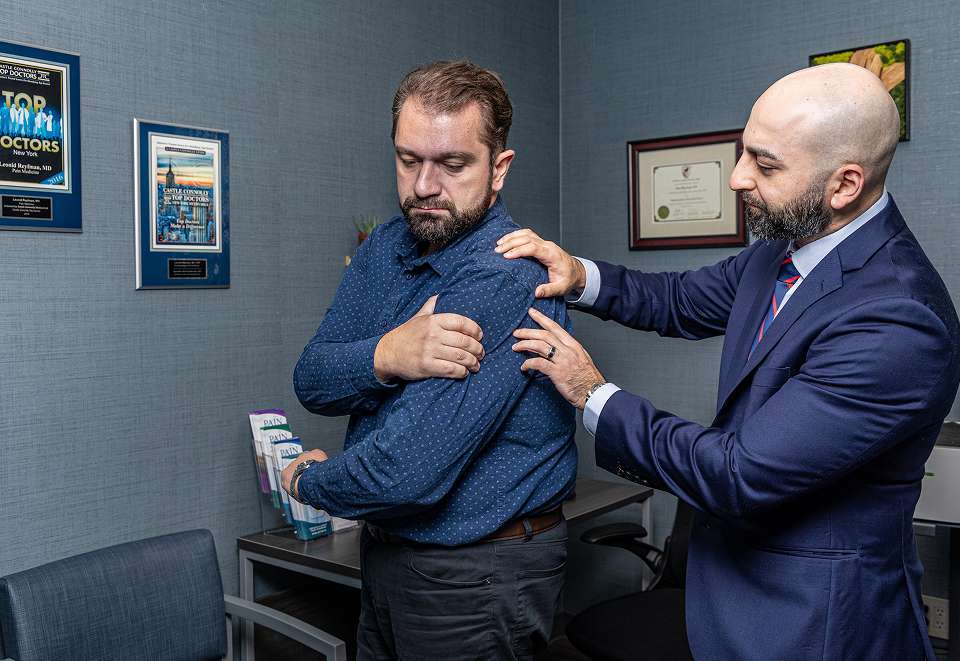
Since regenerative therapies for your joints help you avoid the complications, risks and extended downtime of surgery, you find inherent advantages. Non-surgical shoulder repair heals your shoulder injury through holistic means, from the inside out. Signs that you need medical attention include:
- Shoulder stiffness
- Weakness in the joint
- Shoulder pain that’s constant or intermittent
- A limited range of motion
- Swelling or tenderness in the joint
- Feelings of popping or grinding
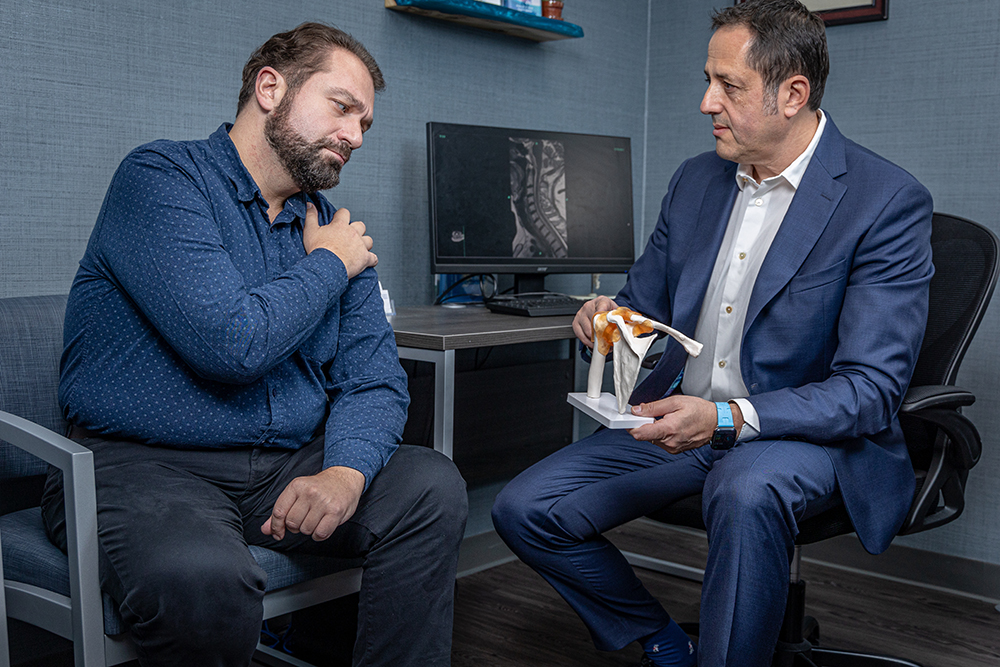
Not all shoulder injuries or conditions require surgery. At Stem Cell Therapy NYC, pain management specialists like Dr. Leon Reyfman meets with you to talk about your pain, your medical history and your goals. He uses state-of-the-art diagnostics to discover the cause of your shoulder ailment and then develops a customized treatment plan tailored to your needs.
What Are the Benefits of Non-Surgical Repair over Surgery?
Surgery involves general anesthesia, incisions and a lengthy rehabilitation. Regenerative therapies are minimally invasive, so you don’t require any of that. When you opt for non-surgical shoulder repair, you reduce your risks and chance of complications.
Non-surgical treatments require little downtime, so that you return to your normal activities much sooner. You recover faster, since the procedure doesn’t damage any tissues. Other benefits of regenerative treatment include:
- Experiencing less pain during your recovery, so you rely less on pain medicine
- Repairing the joint using your body’s own natural healing capabilities
- Promoting shoulder health, including a return of its full range of motion
- Resulting in a long-term solution of shoulder pain
- Costing less than surgery
What Non-Surgical Treatments Are Available for Shoulder Pain?
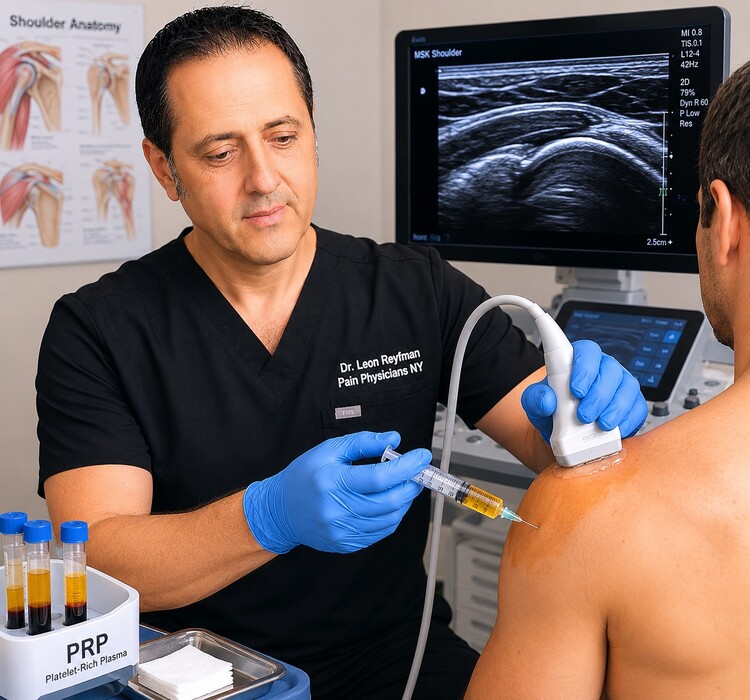
The two most common regenerative therapies include stem cell therapy and platelet-rich plasma (PRP) therapy. Both provide natural healing for damaged tissues, restore the joint’s functionality and reduce pain and inflammation. The differences include:
- Stem cell therapy for shoulder pain injects harvested stem cells from your body into your shoulder, where they transform into the type of cells needed to repair the tissue.
- PRP therapy for the joint injects concentrated PRP from your blood into your shoulder to promote tissue healing. PRP for specific rotator cuff tears supports your recovery, while reducing pain and inflammation.
Both procedures are performed in-office, so you return home to continue healing. Other advanced non-surgical shoulder repair treatments include:
- Bone marrow stem cell injection (BMAC), which uses stem cells from your bone marrow to regenerate damaged shoulder tissue and improve the joint’s function.
- Adipose tissue injection (MFAT), which injects the regenerative stem cells from your fat tissue to repair tendons and restore your shoulder’s range of motion.
- Alpha 2 macroglobulin (A2M) therapy, which blocks enzymes that break down cartilage, protecting your shoulder joint and reducing pain from arthritis or degeneration.
- Exosome therapy, which uses growth factors from your blood to trigger healing, reduce inflammation and improve the joint’s flexibility.
- Shock wave therapy, which uses acoustic sound waves to stimulate tissue healing, dissolve scar tissue and ease your shoulder pain.
- Prolotherapy, which uses natural substances to stabilize your soft tissue, like tendons and ligaments, to restore your shoulder’s capabilities and eliminate your pain.
Am I a Candidate for Non-Surgical Shoulder Repair?
If the damage to the joint is too great, shoulder surgery may be the only answer. Visit the experienced doctors at Stem Cell Therapy NYC to learn if a non-surgical treatment is appropriate for you. Shoulder conditions that regenerative therapies can resolve include:
If you have health conditions that make surgery risky, regenerative therapies offer a safer, less invasive treatment. These therapies are particularly suited for older adults. While recovering from a shoulder sprain or injury, non-surgical shoulder repair helps you heal faster.
What Results Can I Expect after Non-Surgical Treatment?
Your individual results depend on the factors of your particular case, such as your age, condition and overall health. The risks and side effects from these treatments are minimal and resolve themselves quickly. As your shoulder heals, your joint becomes stronger and more flexible, but follow your doctor’s guidelines to avoid a re-injury.
In general, you can expect to see improvement within a few weeks, but full recovery may require a several months. If you suffer any unexpected results, like pain or an infection, call your doctor. You can improve your recovery and hasten your healing by:
- Resting your shoulder with a brace or sling for a limited time.
- Not immobilizing your shoulder; stretch it gradually as you heal to prevent stiffness.
- Making minor adjustments to your daily routines to decrease strain on the joint.
- Repositioning yourself while sleeping so you don’t lie on the injured shoulder
- Avoiding activities that inflame your shoulder, such as reaching overhead.
How Many Regenerative Therapy Sessions Do I Need?
You may start noticing improvement after the first session. Sometimes, your doctor may recommend multiple sessions. How many sessions you need depend on several factors, including:
- The non-surgical shoulder repair method you use
- The extent of your shoulder damage
- Your age and overall health
- Your lifestyle and activity levels
- How well you follow your doctor’s aftercare instructions
Contact Stem Cell Therapy NYC to schedule an appointment to discover if regenerative, non-surgical shoulder repair is right for you. With offices in Manhattan, Brooklyn, Queens, the Bronx and Long Island, there’s a facility near you.
Page Updated on Jun 15, 2026 by Stem Cell Therapy