
What Is a Rotator Cuff Tear?
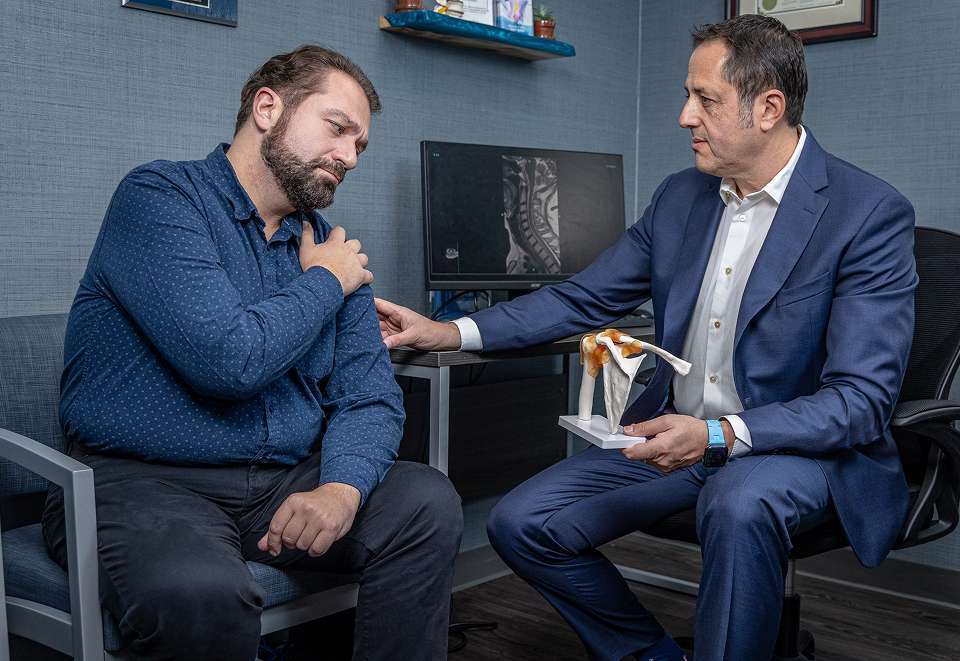
You may develop a rotator cuff tear when one or more of the tendons in your shoulder stretch or tear. Your shoulder is one of the most active and flexible joints in your body and much of that movement depends on a small but powerful group of muscles and tendons called the rotator cuff. If you’ve torn your rotator cuff, your shoulder starts hurting suddenly or gradually. Depending on the cause, symptoms may include:
- Pain when lifting or rotating your arm
- Shoulder weakness or difficulty reaching overhead
- A crackling or grinding sound when moving your shoulder
- Pain that wakes you at night especially when lying on the affected side
- Stiffness or limited range of motion
If shoulder pain or restricted movement is keeping you from achieving full strength, Stem Cell Therapy NYC stands ready to assist you in achieving maximum power. You receive care from highly trained specialists Doctors who focus on advanced regenerative treatments like PRP for rotator cuff tears and other non-surgical interventions.
How Does PRP for Shoulder Injury Work?
PRP for joints like shoulder and rotator cuff injuries tap into your body’s own healing power. PRP treatment is simple, minimally invasive and typically completed in one visit. The PRP for rotator cuff tears is injected directly into your injured shoulder using ultrasound guidance for accuracy.
Once the injection is complete, the concentrated platelets start releasing healing growth factors that trigger tissue repair. It restores and strengthens tendons, ligaments and joint structures. You may experience some slight side effects like soreness or stiffness for a day or two, which is an indication that your body is beginning the recovery process. As healing continues you experience benefits, such as:
- Support for tendon and ligament healing
- Relief from inflammation in your shoulder joint
- Restoration of tissue strength and flexibility
- Enhanced movement and shoulder function
- Steady reduction in persistent pain
Am I a Good PRP for Shoulder Injury Candidate?
If you’re struggling with shoulder pain and are looking for a way to heal without surgery, PRP therapy is worth exploring. If your shoulder injury limits your daily movement, then PRP provides an opportunity to restore function naturally. PRP therapy may be a suitable option for you if you meet specific conditions, such as:
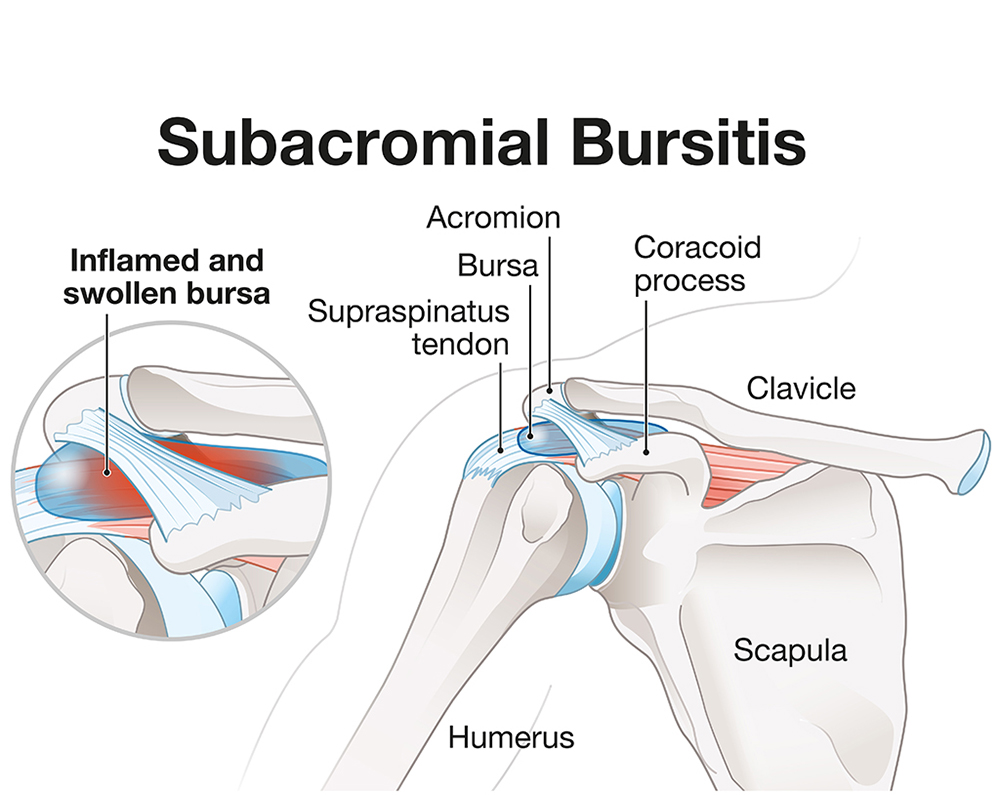
- You have a partial rotator cuff tear, rotator cuff tendonitis or bursitis that hasn’t improved with standard care.
- You’re an athlete or physically active person dealing with chronic or partial shoulder tears.
- You’ve completed a course of physical therapy without sufficient improvement.
- You’re healthy enough for an injection procedure and have no blood-related conditions or cancer.
PRP isn’t suitable for everyone, and certain health conditions may require delaying or avoiding the procedure. If you have an active infection near your shoulder, you should wait until it clears up before starting treatment.
How Many PRP for Shoulder Injury Injections Are Recommended?
The number of injections you need depends on your shoulder’s condition and how well it responds to the first treatment. One injection is ideal for mild injuries or early-stage inflammation, often enough to relieve pain and restore basic shoulder function. For moderate injuries or more active individuals, an additional session strengthens healing and supports long-term recovery especially in cases related to rotator cuff tendonitis and tears.
For larger tears or degenerative shoulder issues such as shoulder arthritis or frozen shoulder, multiple PRP sessions may be necessary. Your doctor monitors your progress between each session and adjusts your treatment plan based on how your body reacts. When necessary, your NYC doctor may recommend combining PRP for rotator cuff tears with other non-surgical shoulder treatments, such as:
How Soon Will I Notice Results After a PRP Shoulder Injection?
The timeline for improvement after PRP for shoulder injury varies, based on the extent of tissue injury and response to healing. After getting PRP for rotator cuff tears, your body undergoes a series of phases of healing. The recovery timeline after PRP for shoulder injury generally follows a pattern that includes:
- First few weeks.Some soreness or stiffness as your shoulder begins to heal
- Four to six weeks.Early signs of reduced pain and easier movement
- Six to 12 weeks.Shoulder strength and flexibility typically improve further
- Three to six months.Long-term recovery and full benefits become more noticeable
When using PRP for rotator cuff tears, healing is slow because tendons repair at a slow pace. Smaller injuries heal more quickly, while chronic or very severe tears could take several months to show noticeable improvement. Following your doctor’s post-treatment instructions helps you achieve the best results.
How Should I Care for My Shoulder After a PRP Injection?
After a PRP for shoulder injury injection, recovery depends as much on your post-procedure care as on the procedure itself. Eat a healthy, balanced diet and get plenty of hydration to help your body heal tissues more effectively. Rest your shoulder and don’t lift heavy objects or jerk your arm around. Keep the area clean and dry and go slowly with stretching and strengthening exercises as your doctor recommends.
Follow-up appointments with your physician are necessary to monitor your progress and decide whether further PRP treatments are needed. Staying consistent with your recovery plan helps ensure long-term improvement in shoulder strength and function. Contact Stem Cell Therapy NYC today to schedule your personalized consultation.
Page Updated on May 1, 2026 by Stem Cell Therapy