
What Is Alpha-2 Macroglobulin Therapy?
A new advanced treatment that uses the alpha 2 macroglobulin (A2M) protein to treat conditions involving joint and soft tissue damage is known as alpha-2 macroglobulin injection. When delivered in an A2M injection, the therapy has the potential to reduce inflammation and slow cartilage damage while helping the body heal naturally.
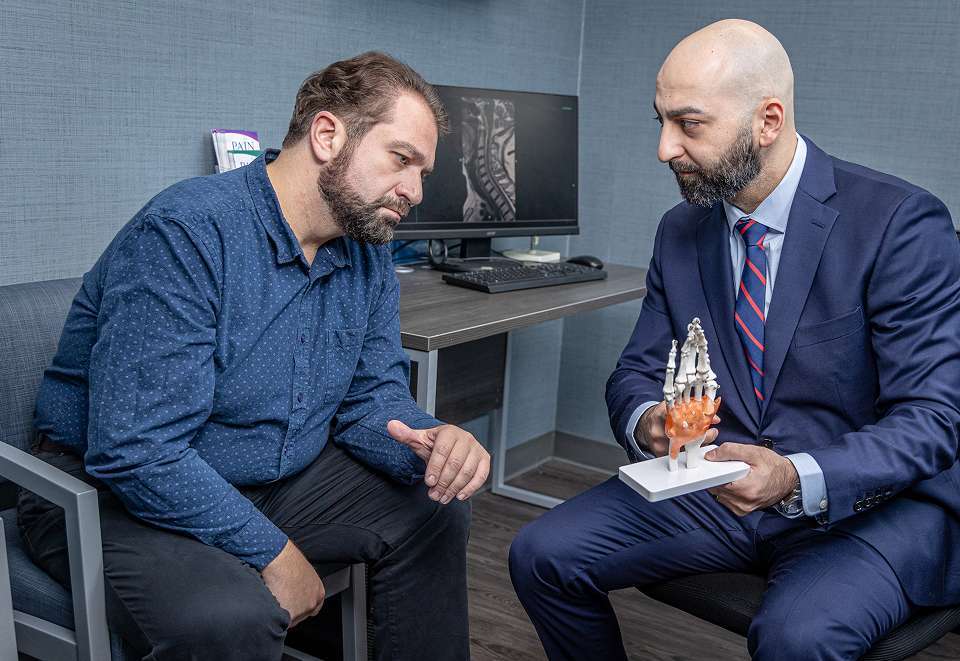
Dr. Leon Reyfman at Stem Cell Therapy NYC specializes in the treatment of athletic injuries and chronic pain using various regenerative medicine procedures, including alpha-2-macroglobulin therapy. With years of experience as an interventional pain management specialist, he’s determined to use the A2M injection and regenerative therapy for treating:
- Knee injuries
- Hip injuries
- Shoulder injuries
- Back, neck and disc injuries
- Foot and ankle injuries
- Hand and wrist injuries
- Elbow injuries
What Is an A2M injection?
Alpha 2 macroglobulin is a naturally occurring large plasma protein found in your blood, mainly produced by the liver. A2M protein has anti-inflammatory effects and plays an important role in protecting the tissues in your joints. As a part of the innate immune system, A2M plays a significant role in several ways that include:
- Reducing inflammation
- Slowing cartilage damage
- Relieving pain
One of the A2M’s main jobs is to trap enzymes that break down cartilage and other proteins in the body. Once trapped, the A2M protein neutralizes and clears the destructive enzymes from the body. Because of its unique function, this type of protein is important for maintaining joint health and managing conditions such as osteoarthritis.
What Are Common Conditions Successfully Treated with Alpha-2-Macroglobulin Therapy?
Alpha-2-macroglobulin therapy has proven to be effective for treating a wide range of painful joint conditions caused by inflammation and tissue damage. When other non-invasive procedures and treatments have failed, an A2M injection may be beneficial for conditions such as:
- Hip and knee osteoarthritis. With pain and inflammation being the most common symptoms of arthritis, A2M injections help reduce inflammation and ease pain.
- Joint injuries. A2M therapy is an effective alternative to joint replacement surgeries in knees, shoulders and elbows, and is especially good for treating tennis elbow.
- Torn meniscus. When A2M injection is applied to the torn meniscus, it stimulates growth and healing of the torn tissue.
- Herniated disc. Pain is caused when a herniated disc puts pressure on a nearby nerve root. Once the pressure’s relieved with alpha-2-macroglobulin therapy, expect to feel same-day relief.
- Degenerative disc disease. Degenerative disc disease is a condition that affects discs between the vertebrae in your spine. An A2M injection prevents cartilage deterioration and supports the body’s natural healing process.
Many people experience elevated effects for six months to over a year for chronic conditions such as osteoarthritis. When used to treat damage to a tendon or ligament, the effects of an A2M injection may be permanent.
How Does Alpha-2-Macroglobulin Therapy Work?
Alpha-2-macroglobulin therapy works by delivering a concentrated supply of A2M protein directly to the affected joint. The A2M protein starts acting as a powerful protease inhibitor and functions as a trap for those destructive enzymes, further neutralizing them before they cause any cartilage damage. Steps of the regenerative joint treatment include:
- Consultation. Your NYC pain management doctor first assesses your current condition and determines that A2M therapy is right for you.
- Blood draw. After the consultation, you get a small amount of your blood drawn, usually from the vein in your arm, to extract the A2M protein found in your plasma.
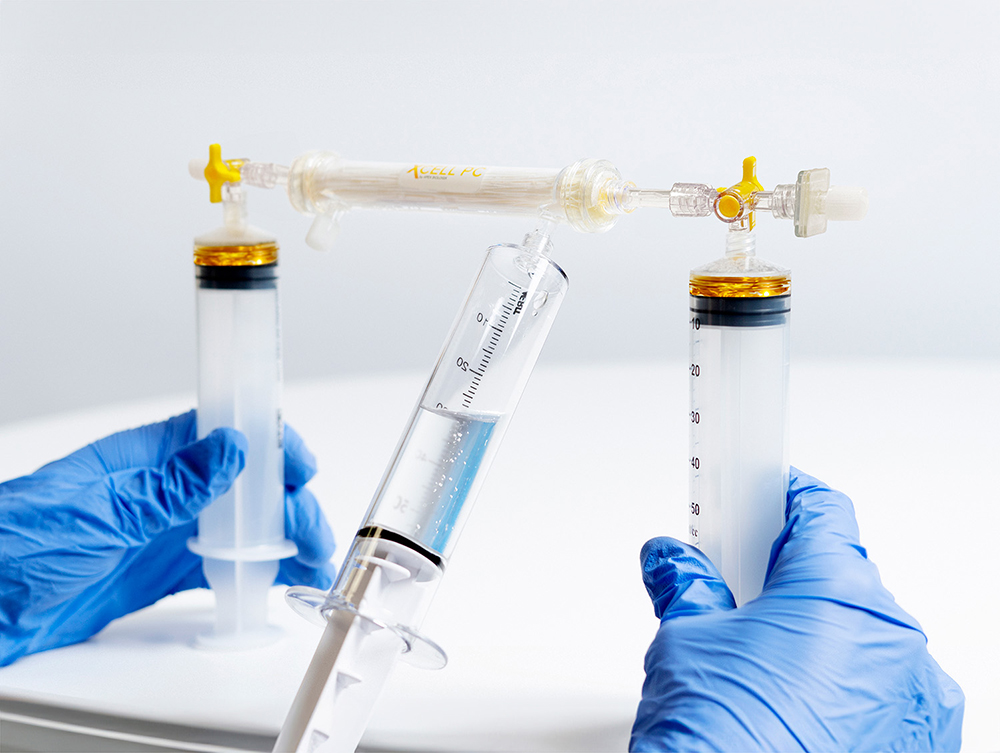
- Blood processing. Your blood sample is then subjected to an initial separation phase using a centrifuge process to separate the platelets, plasma and red and white blood cells. The yellow plasma is later used for injection into the affected joint.
- A2M concentration. Following initial blood processing, the A2M protein is concentrated, achieving six times its natural level before being injected.
- Injection. The now concentrated A2M protein, accompanied by a local anesthetic, is injected directly into the joint or any other area of pain.
Since it’s a minimally invasive procedure, expect to feel improvement in symptoms the very same day. When it comes to the post-procedure care, avoid strenuous activity or heavy lifting for a few days.
What Are the Potential Benefits of A2M Injection Therapy?
A2M injection therapy offers many potential benefits if you struggle with chronic joint pain and degradation. In addition to being able to avoid the need for surgery, alpha-2-macroglobulin therapy provides common benefits that include reducing inflammation and protecting cartilage against further damage.
Dr. Leon Reyfman and his team of specialists, with offices in Brooklyn, Manhattan, Queens, Long Island and the Bronx, use regenerative therapy to treat many painful, chronic conditions whenever possible. If you suffer from joint pain that isn’t relieved by other non-invasive therapies, now is the time to contact Stem Cell Therapy NYC for an evaluation.
Page Updated on May 7, 2026 by Stem Cell Therapy