
What Is Laser Therapy for Pain?
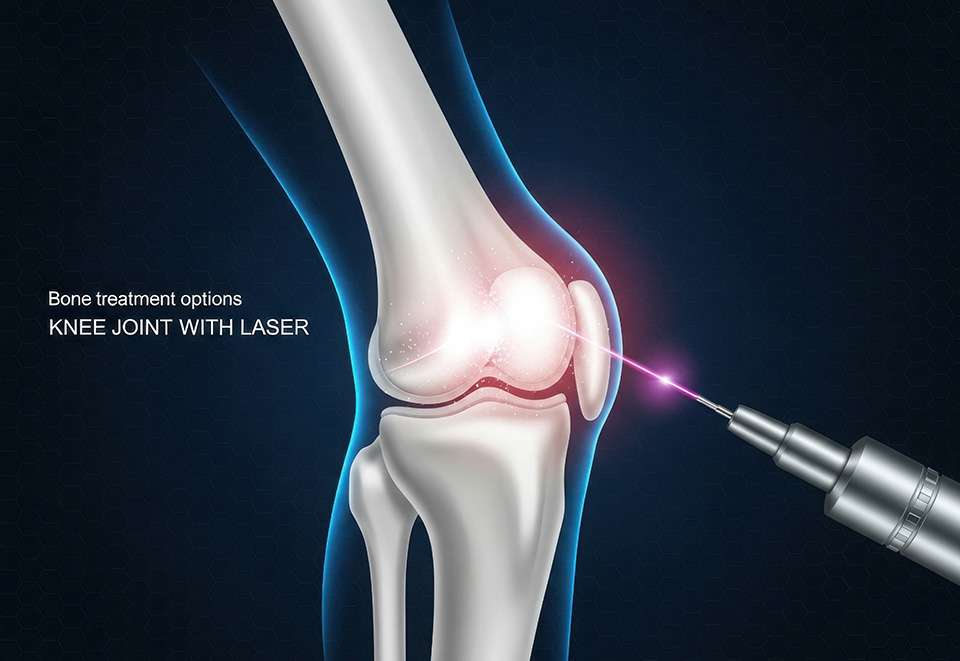
The term LASER stands for light amplification by stimulated emission of radiation. In medicine, laser therapy refers to the use of focused light energy to support healing, reduce pain and improve tissue function. Laser therapies are FDA-approved to provide a non-invasive way to manage pain and address other health concerns.
Unlike surgical lasers that cut or burn tissue, therapeutic lasers use gentle light wavelengths that work on your cells to support healing without damaging nearby tissues. Laser therapy is a safe treatment that supports lasting relief after just a short series of sessions. It supports both acute and chronic conditions and requires no recovery time.
Stem Cell Therapy NYC offers advanced, non-surgical solutions for pain and injury recovery. Their goal is to provide you with personalized care that targets the root of your pain and supports long-term healing.
What Are the Main Types of Laser Therapy?
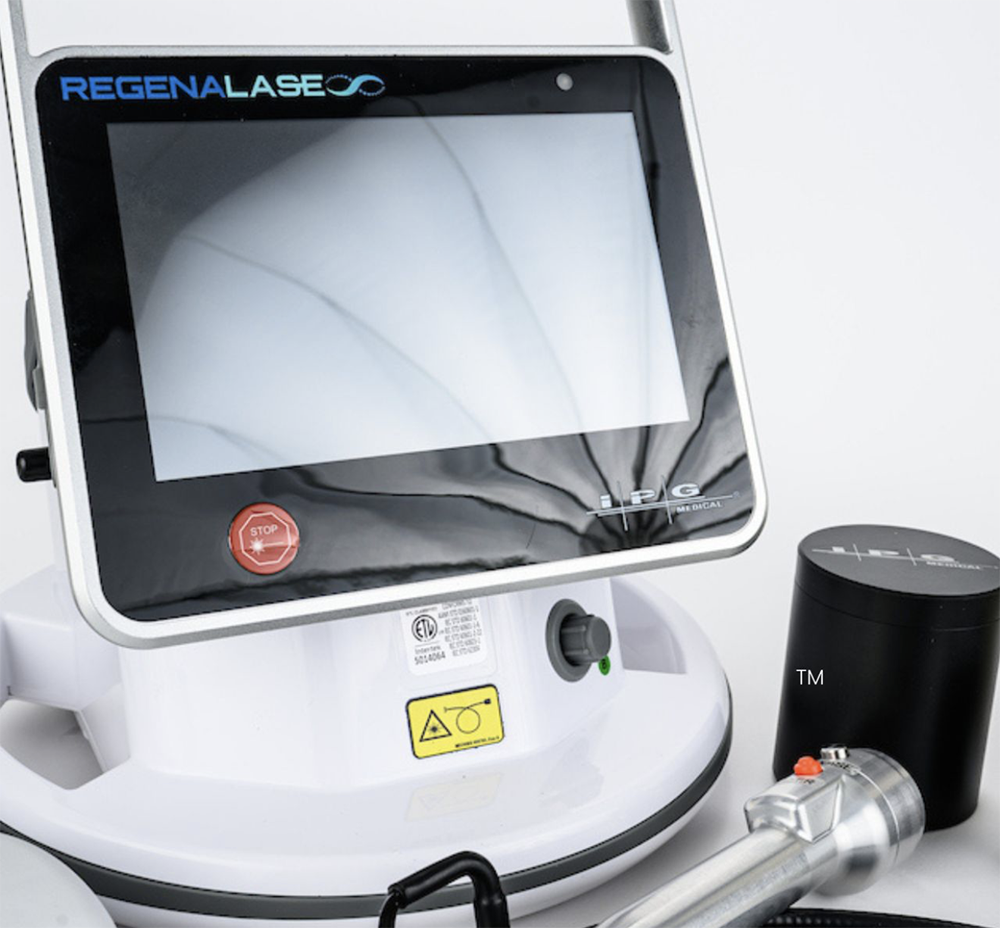
Depending on your condition, the experienced doctors at Stem Cell Therapy NYC use two primary forms of laser therapy for your treatment. Low-level laser therapy (LLLT), also called cold laser therapy, works best for pain relief, surface-level or mild tissue injuries. It uses low-energy light to stimulate your cells and support natural repair without creating heat that could harm tissues.
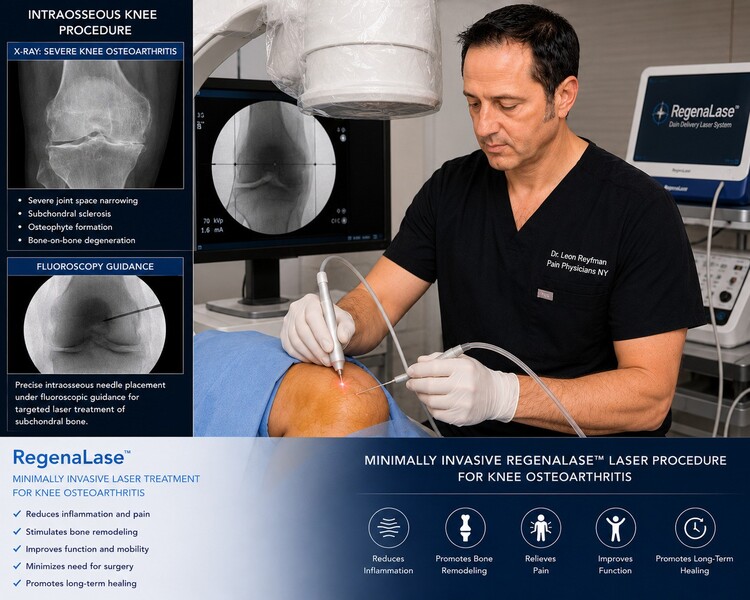
High-intensity laser therapy (HILT) uses higher energy levels to reach your deeper tissues and speed recovery. It emits intense light pulses that promote blood flow and the regeneration of cells in areas with more severe pain or inflammation. Laser therapy for pain is used to treat a wide range of conditions, such as:
- Sports injuries
- Foot and ankle injuries
- Knee injuries
- Hip injuries
- Shoulder and rotator cuff injuries
- Back, neck and disc injuries
- Elbow injuries
- Knee and ankle arthritis
- Knee, hip and shoulder bursitis
- Chronic neck pain
- Chronic back pain
- Sciatica
- Tendonitis
- Degenerative joint disease
- Carpal tunnel syndrome
The best type of laser therapy depends on your condition and the results you want to achieve. Dr. Leon Reyfman and his experienced team evaluate several factors including type and severity of your condition, the depth of tissue damage and your current pain level. After assessing your needs, they decide whether HILT or LLLT is right for you and adjust the treatment to give you lasting relief.
How Does Laser Therapy for Pain Work?
When laser light enters your body, your cells absorb the photons in a process called photo biomodulation. This absorbed energy activates changes inside your cells that boost energy production and support tissue healing. During laser therapy for pain, multiple key processes work together to support healing, including:
- Mitochondrial stimulation. The laser energizes your mitochondria and boosts adenosine triphosphate (ATP) to speed up cell repair.
- Enhanced blood flow.Laser light widens your blood vessels, allowing more oxygen and nutrients to reach injured areas and speeding up healing.
- Anti-inflammatory response.The therapy lowers swelling and decreases the chemicals in your body that cause inflammation.
- Pain signal reduction. Laser therapy lowers nerve sensitivity, which lessens pain signals and relieves your discomfort.
During your session, the doctor places a handheld laser device over the area causing you pain. The device emits light for a few minutes, based on the size and depth of the area being treated. You may feel a gentle, warming sensation as the therapy works. Each session usually lasts 10 to 30 minutes and your doctor may schedule multiple visits to achieve the best results.
What Are the Benefits of Laser Therapy for Pain?
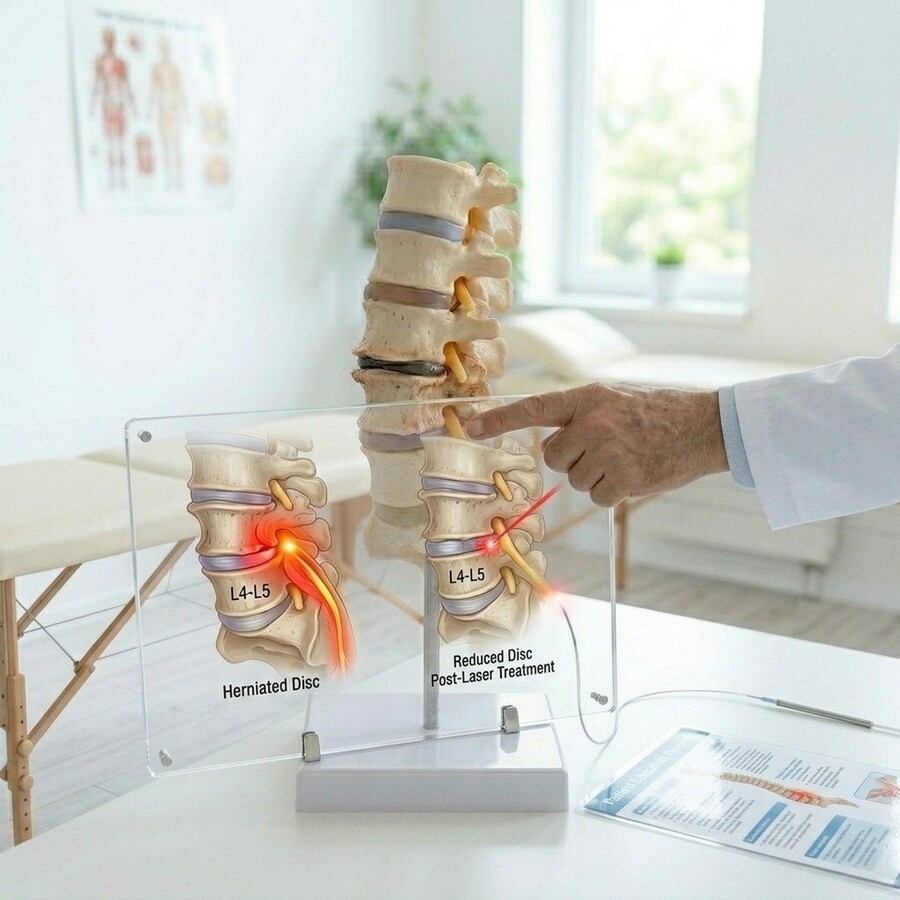
Laser therapy allows you to rely less on medications. Laser therapy also stimulates your endorphins, the hormones that reduce pain and strengthen your immune system. Both standard and cold laser therapy offer a safe, effective way to reduce pain. More benefits include:
- Safe for repeated use under professional supervision
- Cost-friendly compared to surgery
- Compatible with physical therapy and rehabilitation programs
- Restoration of normal nerve function in damaged tissues
- Improved flexibility and mobility in painful areas
- No side effects when applied correctly
You may be a candidate for laser therapy if you have pain, inflammation or soft tissue injuries, but are in good health overall. You should not undergo laser therapy if you have epilepsy, as the light could trigger a seizure. You should also avoid it if you’re pregnant, since it may impact your baby.
How Long Does It Take to See Results from Laser Therapy for Pain?
You may start noticing results after just a few sessions, but the timeline depends on your condition. You may notice a reduction in pain during or shortly after your first session. Your HILT sessions take less time because of the higher power levels, giving you faster, noticeable results. In contrast, cold laser therapy sessions are longer and provide gradual and cumulative improvements that build over multiple treatments.
Your NYC doctor may combine laser therapy with stem cell therapy to enhance your recovery, using your own cells from bone marrow or fat tissue to support natural repair. Together, these treatments speed up your pain relief, strengthen tissue repair and support lasting results. Contact Stem Cell Therapy NYC today to learn more about laser therapy and combination treatments.
References
Page Updated on Jun 15, 2026 by Stem Cell Therapy