
Is PRP for Sports Injuries an Effective Form of Treatment?
Platelet-rich plasma (PRP) therapy is a form of regenerative therapy that’s effective in treating both acute and chronic sports injuries. PRP for tendonitis, PRP for ligament tears and other common sprots injuries is done by using the components of your own blood to stimulate tissue repair, helping athletes recover quicker from injuries that involve tendons, joints and ligaments.
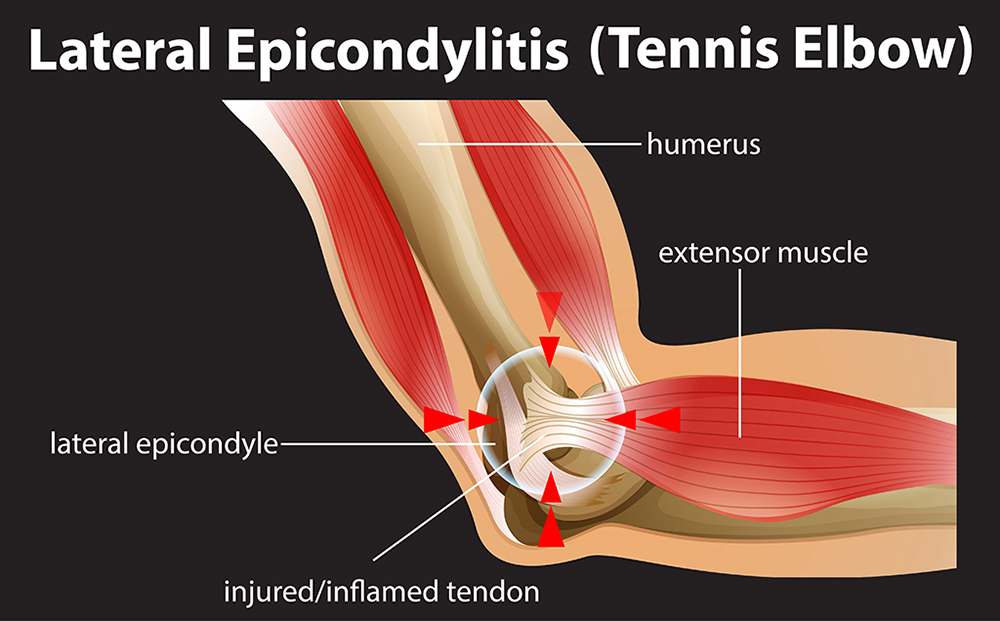
If you’re experiencing pain from a sudden sports injury, such as meniscus tears or ACL tears, trust Dr. Leon Reyfman and his team of PRP experts at Stem Cell Therapy NYC. If you have pain that developed gradually from knee arthritis, hip arthritis or tennis elbow, these experts are committed to providing pain relief using the least invasive tactics. They’re experienced in treating athletes with PRP for sports injuries.
Why Do Athletes Choose PRP for Sports Injuries?
When you actively participate in sports and experience injury frequently, you choose treatment with PRP for joint, spine and nerve conditions since you want to get back to normal as soon as possible. Reasons to choose PRP for ligament injuries and other sports injuries include:
- Fast recovery time. Other approaches to treatment such as physical therapy, rest and immobilization may work but often involve a long recovery time. The downtime is minimal with PRP treatments.
- Reduce or eliminate medication. Treatment with PRP is a natural approach to helping the body heal itself. You may be able to avoid using medication altogether or reduce any reliance on medication.
- Non-surgical option. PRP is a minimally invasive procedure that’s done on an outpatient basis. Pain and inflammation are reduced without undergoing surgery.
Many health-conscious athletes prefer treatments that are natural whenever possible. Treatment done by using blood components from your own body reduces the risk of any complications, and there’s little or no risk of an allergic reaction.
What Types of Sports Injuries Does PRP Treat?
Most types of minor and medium sports-related injuries can be treated with PRP, while major injuries like head trauma and broken bones require a more surgical approach. Most sports-related injuries happen because of trauma, repetitive strain or overuse. Sports injuries that haven’t responded to a conservative approach to treatment may be treated with PRP, including:
- Ligament injuries. Ligaments are a form of tough connective tissue that connect bones to other bones. You can injure ligaments by moving too fast, turning too suddenly or falling. Foot and ankle injuriesand hand and wrist injuries often damage connective tissue, which benefit from PRP for ligament injuries.
- Tendinopathy. A tendon is fibrous tissue that connects muscles to bones. Tendinopathy refers to conditions that involve inflammation or injury to a tendon. PRP for tendinopathy promotes healing from injuries to tendons, such as many shoulder injuries and reduce pain from overuse.
- Tendonitis. Tendonitis refers to inflammation from acute injury to a tendon rather than long-term degeneration. Growth factors in PRP for tendonitis significantly enhance healing of injured tendons.
- Muscle injuries. When an athlete sprains or strains a muscle, you’re unable to participate in activities that use the same muscle. PRP shortens the amount of time you have to avoid participating in your sporting activity.
PRP is an effective treatment not only for sudden sports-related injuries, but also for pain related to gradual deterioration of cartilage or joints. While gradual deterioration often is caused by aging, it also occurs because of frequent wear and tear and overuse during certain sports. Common deterioration conditions that benefit from PRP therapy include:
- Chronic back pain
- Chronic neck pain
- Degenerative disc disease
- Knee arthritis
- Spine arthritis
- Degenerative joint disease
How Is PRP for Tendonitis and Other Sports Injuries Performed?
PRP for tendinopathy and other sports injuries is done as a simple outpatient procedure. The full procedure from preparation to recovery usually takes about an hour. Things to expect from PRP for sports injuries include:
- One or more vials of blood are drawn, to be processed and used for the procedure.
- The blood sample is placed into a centrifuge machine that spins rapidly to separate the components of your blood.
- Platelets and growth factors are concentrated into the finished product, which may be combined with an anesthetic and injected into the problem area.
- Your doctor may use an ultrasound for guidance in pinpointing the exact spot for the injection.
Your treatment plan is customized for your specific injury. Your pain doctor determines whether PRP treatment should be combined with other treatments such as stem cell therapy for best results.
To find out if you’re a good candidate for treatment with PRP, your NYC pain doctor thoroughly evaluates your health history. PRP injections may not be right for you if you’re pregnant or have certain medical conditions, such as:
- Anemia
- Blood disorder
- Cancer
How Long Does It Take to Recover from PRP for Sports Injuries?
After your PRP injection, you may experience some soreness for a few days. The amount of time needed for full recovery depends on the extent of your injury but is shorter than recovery after surgery or more invasive procedures. Mobility improves and pain decreases gradually over time as tissue heals itself.
Treatment with PRP is a great option for athletes who want to return to play as quickly as possible. To see if PRP is right for you, contact Stem Cell Therapy NYC at one of the offices conveniently located in Manhattan, Brooklyn, the Bronx, Long Island or Queens.
Page Updated on May 4, 2026 by Stem Cell Therapy