
What Is PRP for ACL Tears?
Repairing your torn anterior cruciate ligament (ACL) is possible through a regenerative treatment called platelet-rich plasma (PRP), which uses your own blood to naturally heal the injured ligament in your knee. PRP is filled with natural proteins that support tissue repair. When injected into the injured ligament, these platelets reduce inflammation and encourage new cell growth.
PRP for ACL tears is designed for when you want to recover strength and stability without surgery or long-term medication use. PRP therapy for joints helps speed recovery from partial ACL tears or lingering knee pain after an injury by improving the way your body repairs itself.
At Stem Cell Therapy NYC, Dr. Leon Reyfman and his team of PRP experts use non-surgical procedures to restore knee function and get you back to the activities you enjoy. Each treatment is tailored to focus on both your short-term relief and long-term joint health.
What Causes ACL Tears?
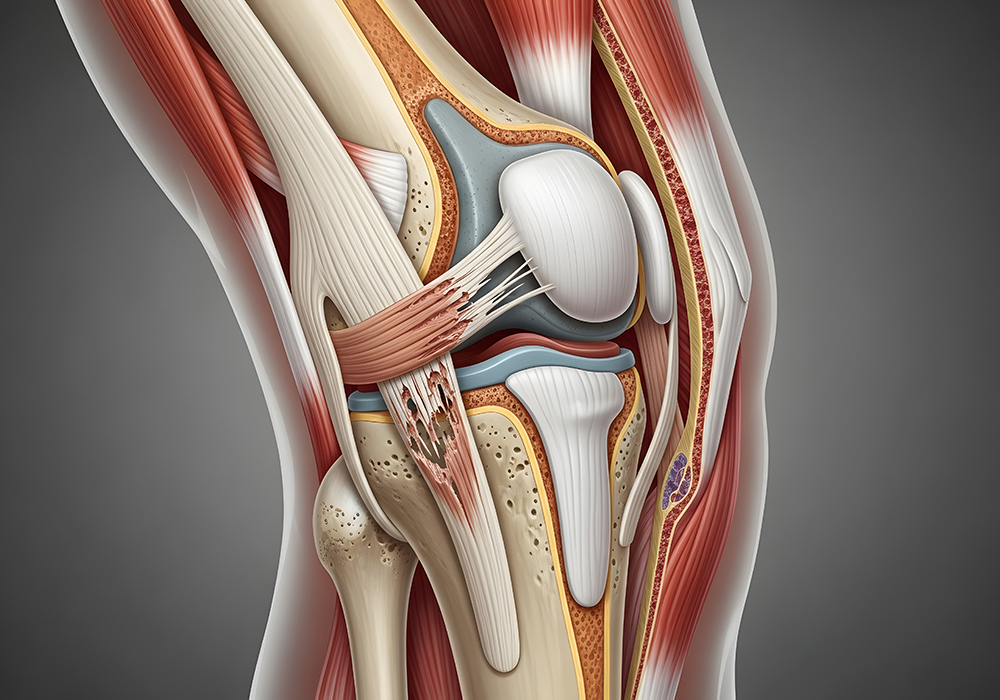
A torn ACL occurs when the ligament in your knee stretches or tears due to sudden movements. This injury often occurs during quick movements that place intense stress on the knee joint, especially when the foot is planted and the body changes direction. This commonly affects athletes, construction workers and older adults when stability or balance is suddenly lost. Causes of ACL tears include:
- Rapid changes in direction while running or playing sports
- Landing awkwardly from a jump
- Slipping or falling on uneven ground
- Sudden stops or pivots while carrying heavy weight
- Direct collision or blow to the knee
This may happen on the football field, at work or during daily activities. As you age, weakened muscles and reduced flexibility make your knee ligaments more vulnerable to injury. An ACL tear greatly limits your ability to move comfortably until the ligament heals.
What Are the Symptoms of an ACL Tear?
Most people notice a distinct sound or sensation, followed by pain and swelling in the knee that worsens within a few hours of an ACL tear. The knee may suddenly feel weak or unstable, making it difficult to continue moving normally. Common signs of an ACL tear include:
- Hearing or feeling popping in the knee
- Difficulty bending or straightening the knee
- A sense that the knee might give out when standing
- Intense pain immediately after the injury
- Swelling that develops quickly
Pain from a torn ACL usually centers around the knee but spreads out depending on how severe the injury is. It often becomes worse when trying to stand, twist or put weight on the affected leg. Swelling and stiffness make nearby muscles feel sore or tight. Areas where an ACL tear cause pain include:
- The front or center of the knee joint
- Along the inside or outside edges of the knee
- Deep within the joint, especially during bending
- The surrounding thigh or calf muscles
Who Benefits from PRP for ACL Tears?
PRP treatment is ideal when you have ligament injuries or chronic knee pain and want to delay or entirely avoid invasive surgery. PRP therapy is often recommended for those who are active but prefer non-surgical knee treatment for recovery. It’s suitable when your knee still has enough stability to heal without reconstruction, common in:
- Athletes recovering from ACL sprains
- Construction workers needing stronger knee support for physical tasks
- Older adults seeking to maintain mobility without invasive surgery
- People managing lingering pain from a past knee injury
Non-surgical treatments of ACL tears also help if you have early ligament degeneration caused by overuse or repetitive strain. By encouraging tissue repair and reducing inflammation, PRP treatment restores strength in the knee during movement and exercise.
How Is PRP for ACL Tears Performed?
PRP treatment is done through a quick and easy procedure that uses a concentrated platelet solution. Plasma rich in growth factors is created from your own blood. Your NYC pain management doctor injects the solution directly into your injured ACL to support healing inside the torn ligament.
The procedure is minimally invasive and typically takes less than an hour. Most people go home the same day and return to light activity soon after. The steps involved in a PRP procedure include:
- Extraction. A small amount of your blood is collected from a vein.
- Centrifugation. The sample is spun in a centrifuge to concentrate the platelets.
- Preparation. The platelet-rich solution is carefully separated for use.
- Imaging. Ultrasound or fluoroscopy is used to help target the injured ACL.
- Injection. The PRP is injected directly into the affected ligament.
Can PRP for ACL Tears Prevent Surgery and Heal a Torn ACL?
The effectiveness of PRP treatment depends on the severity of the tear, your overall health and how soon therapy begins after the injury. When used alongside rest, physical therapy and proper conditioning, PRP for ACL tears supports lasting recovery of your knees. Improvements from this regenerative therapy include:
- Strengthening and stabilizing the injured ligament
- Reducing swelling and inflammation around the knee joint
- Shortening overall recovery time compared to surgery
- Improving range of motion and daily function
Healing time after PRP for ACL tears depends on the severity of the injury and your body’s natural response. Most people begin to notice improvement in stability and pain within a few weeks as inflammation decreases and the ligament starts to repair. Full recovery takes up to several months, especially if the tear is moderate or if you’re returning to physically demanding activities.
The team of pain relief specialists at Stem Cell Therapy NYC creates a personalized PRP treatment plan to help you recover safely and effectively. Their regenerative approach focuses on restoring function, reducing pain and helping you return to your normal routine with stronger, more resilient knees. Contact Stem Cell Therapy NYC to schedule a consultation and learn more about PRP therapy to help heal your knee injury.
Page Updated on May 7, 2026 by Stem Cell Therapy