
How Is PRP Therapy a Game Changer for Golf Elbow?
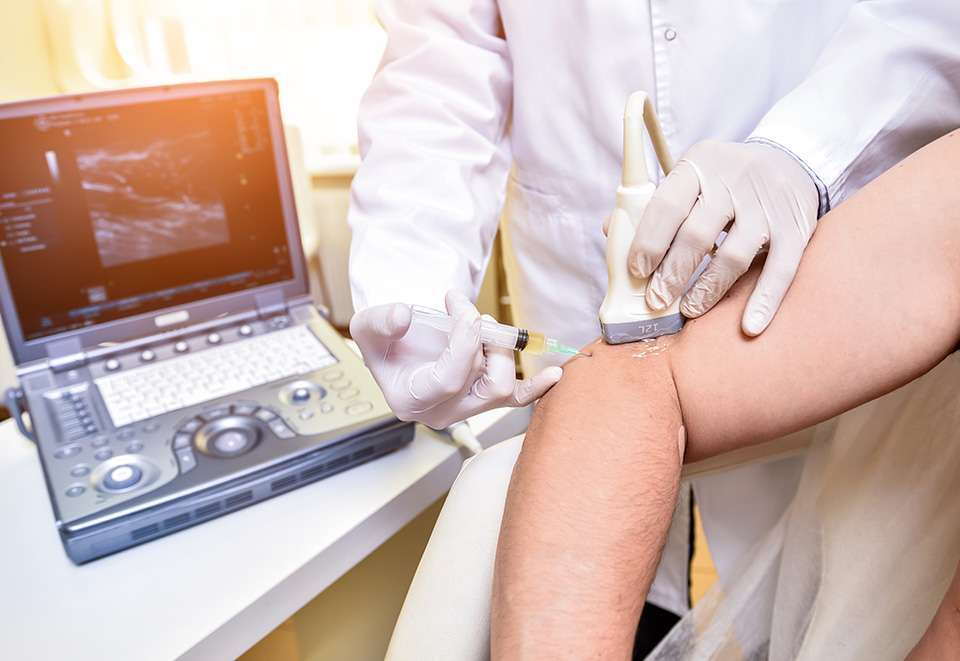
Platelet-rich plasma (PRP) therapy uses your own blood, concentrated to produce healing platelets, to reduce pain and get you back into action as soon as possible. Much like tennis elbow, golf elbow is a painful condition that’s caused by a damaged tendon.
PRP for golf elbow is a regenerative therapy that involves injecting your own platelets into the damaged tendon, which stimulates healing at the cellular level. Conventional non-surgical treatment options — like pain medicine, braces and corticosteroid injections — provide temporary relief rather than treating the root cause, which is the goal of a PRP golf injection.
Dr. Leon Reyfman and his team of PRP experts at Stem Cell Therapy NYC specialize in the treatment of sports injuries like golf elbow and injuries that affect other body parts, such as:
How Does Golf Elbow Happen?
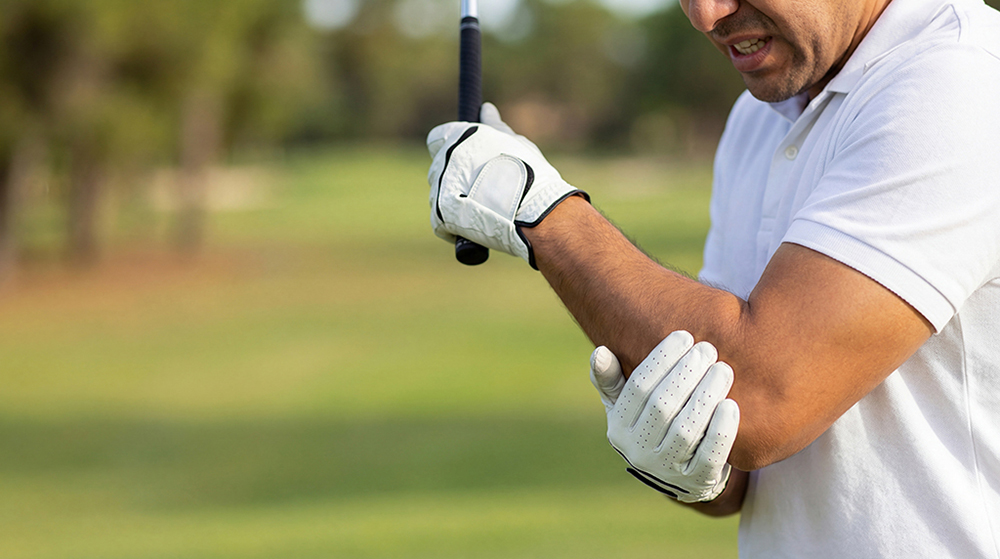
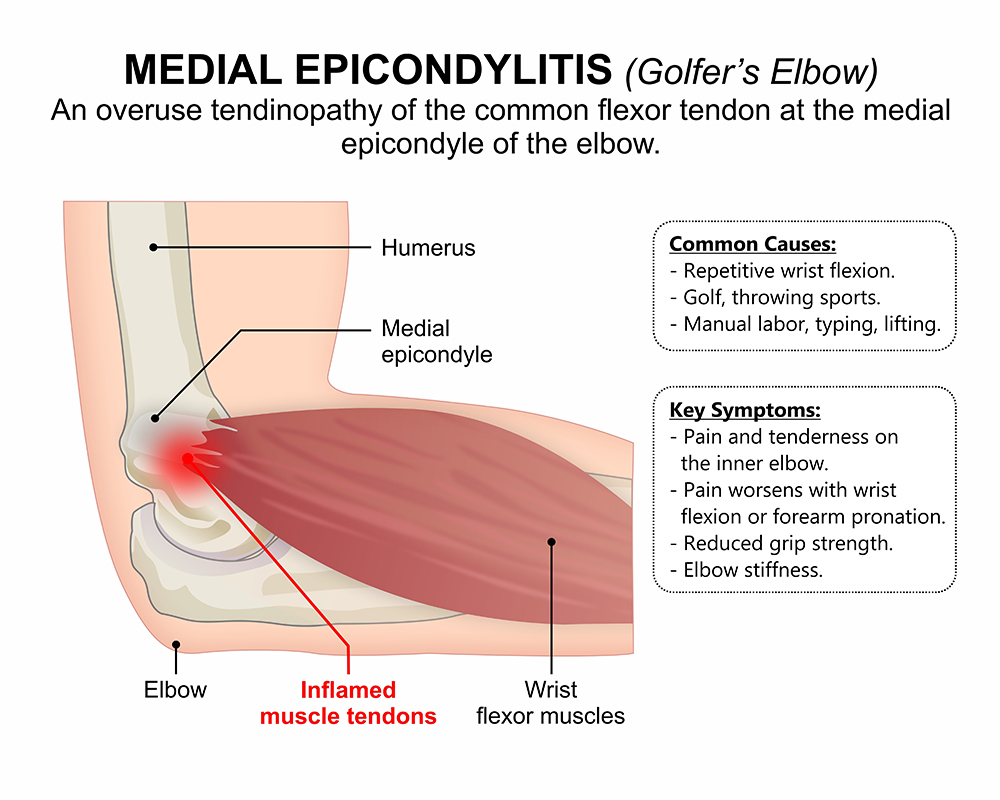
Tennis elbow is a painful condition that occurs due to repetitive stress and forceful motions on your wrist and fingers. Improper warmups and poor physical conditioning exacerbate the damage. It doesn’t happen only to golfers either; tennis players also can develop golfer’s elbow. Whereas golf elbow occurs on the outside of your elbow, tennis elbow typically affects the inside of the joint.
Anyone who performs repetitive wrist and arm movements may need treatment with a PRP elbow injection. Others who may need PRP for golf elbow therapy include:
- Weightlifters
- Those who play football, baseball and archery
- Construction workers, plumbers and carpenters
- Seniors after years of wear and tear
Is PRP an Alternative to Surgery for Tennis Elbow?
In many cases, choosing PRP for golf elbow helps you avoid surgery, as PRP elbow injections directly streamline your body’s natural repair process and heal the tendon from within without incisions. You typically experience restored function after just one or two sessions, making surgery unnecessary.
Many athletes begin light activities within a week or two and progress to full sports participation after eight weeks. If you’re not on any blood-thinning medicines and want to avoid prolonged downtime, then a PRP elbow injection is a good option for you. However, even with its many benefits, it may not be the best option if you:
- Have complete tendon tears
- Suffer from blood disorders
- Take anticoagulants
- Have active infections or cancer
What Happens During a PRP Session For Golf Elbow?
The process of PRP for golf elbow therapy begins with taking around 15 to 30 milliliters of blood from your arm. The sample is placed in a centrifuge, which is a machine that spins your blood at high speed. This process separates the healing-rich platelets and growth factors from other components in blood and creates a concentrated plasma that repairs the damaged tissue. You then undergo a quick procedure that includes:
- Using ultrasound guidance to ensure the precise placement of the injection
- Injecting the prepared plasma into the affected tendon area of your elbow
- Feeling mild side effects like bruising, stiffness and swelling at the injection site
Before you even enter into the therapy, your NYC doctor clearly explains what to expect before, during and after the treatment. To promote recovery, your pain management doctor may ask you to rest your elbow for a day or two, avoid anti-inflammatory medications for a week and use a cold compress to reduce any swelling.
How Many PRP Sessions Are Needed to Treat Golf Elbow?
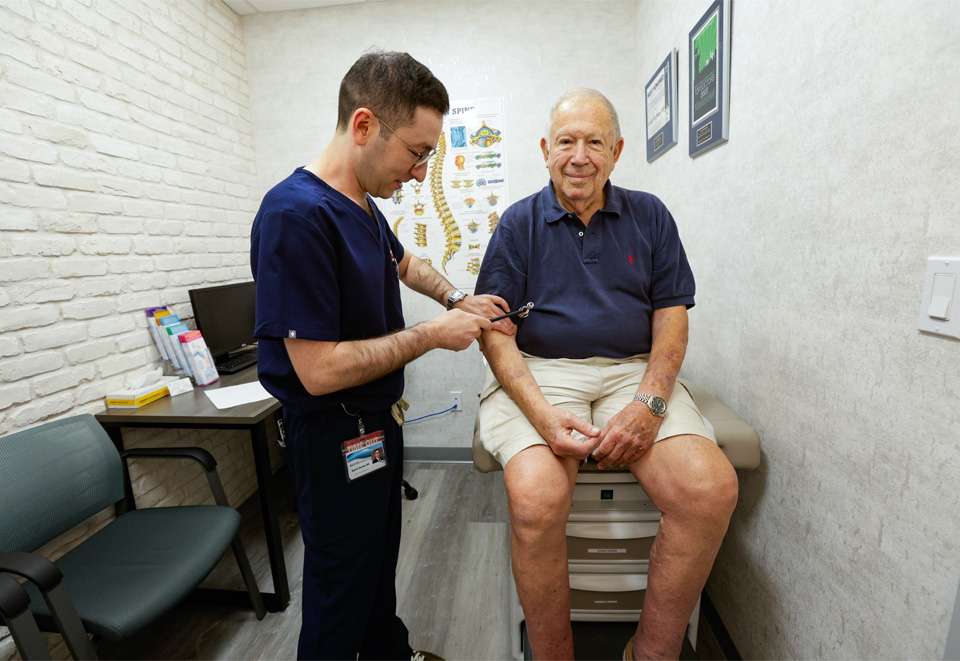
The total number of sessions depends on the severity of your tendon injury, the duration of your symptoms and the healing response of your body. Many people need one to three sessions, spaced about four to six weeks apart, where each session takes about 45 minutes, including the preparation, injection and recovery time. PRP for golf elbow is painless and the blood is newly drawn for each session to ensure the highest platelet activity and sterile and safe preparation.
Improvement is gradual, but you may notice reduced stiffness and easier movement around the second week, a decrease in pain level and healing in the tendon around the fifth week and significant and noticeable improvement in your strength and flexibility in the third month. Healing continues to progress for up to six months after treatment. You may need maintenance PRP sessions in cases such as:
- Returning to repetitive strain activities
- Having a degenerative joint disease that flares up
- Experiencing slow healing response due to age or other medical issues
What Are the Benefits of a PRP Golf Injection?
PRP joint therapy works on the root cause of your pain and promotes healing inside the damaged tendon. It helps the damaged tendon fibers rebuild and strengthen from within, resulting in faster healing without the need for habit-forming drugs. Many reasons it’s fast becoming a preferred treatment option include:
- Minimally invasive and safe
- Restores function
- Reduces inflammation
- Short recovery and no downtime
- Clinically proven
- Prevent flare-ups
PRP for golf elbow repairs the microtears completely and improves the tendon structure by stimulating collagen production. The tendon becomes more elastic and resilient, which enables it to handle stress without irritation.
When used with proper and guided physiotherapy, it restores proper muscle strength around the elbow and reduces the uneven strain on the tendon, which makes it less prone to future flare-ups. Your body already holds the power to heal; a PRP elbow injection activates it. Don’t let your elbow pain stop your athletic performance or limit you. Contact Stem Cell Therapy NYC today.
Page Updated on Apr 29, 2026 by Stem Cell Therapy