
What Does Fluid on the Knee Mean?
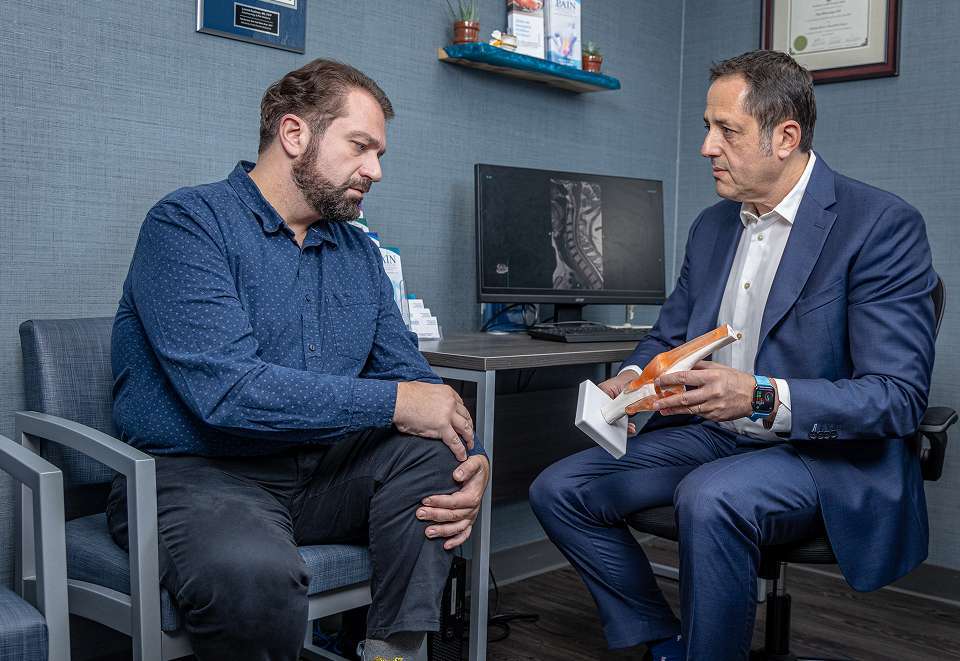
Knee effusion, commonly referred to as fluid on the knee, describes a condition that affects your mobility and causes great pain if not treated properly. This is caused when excess synovial fluid, lymphatic fluid or blood leaks into joint space. The treatment depends on the cause or underlying reason for the condition and may indicate a need for fluid on knee drainage.
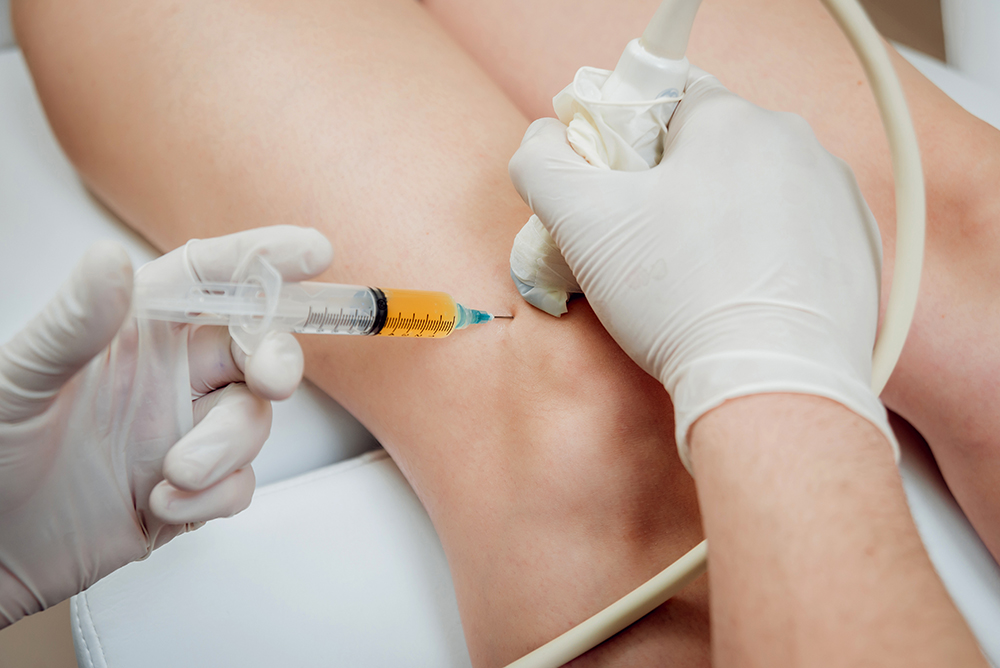 Your knee anatomy includes a space filled with fat that contains blood vessels, nerves and two to nine lymph nodes. The lymphatic system is what moves fluids all over your body. When these fluids are dysregulated, they can cause swelling.
At Stem Cell Therapy, NYC, Dr. Leon Reyfman and his experienced colleagues perform the swollen knee treatment safely and effectively. They then look at underlying conditions that led to the build-up of fluid and recommend the best regenerative therapies to strengthen and support your knees.
What Causes Swollen Knees?
Everyone from athletes to aging seniors can experience fluid build-up on the knees. And the sooner you receive fluid on knee drainage, the quicker your NYC pain management doctor can get to the bottom of the cause, which may include:
- Trauma,like sprains, strains, an ACL or meniscus tear or other sports or exercise-related ligament injuries
- Knee injuries from a fall, car accident or work-related accident
- Arthritis, which is a group of conditions that cause inflammation in the joint
- Gout, a condition that’s caused by the buildup of uric acid crystals in the joints
- Overuse, repetitive motions from day-to-day life can lead to swollen knee fluid
- Infections such as cellulitis, osteomyelitis or septic arthritis
The knee is one of the most powerful joints in the body, as you rely on it for everyday mobility and structure. When your knee hurts, it can cause other parts of your body to hurt and become injured more easily. Left untreated, it can lead to further, more serious damage.
What Are Some Reasons I Need Swollen Knee Treatment?
Regenerative therapy works with the body’s own natural healing process to heal deeper injuries. These methods simulate that process and encourage your body’s ability to repair and restore damaged tissues. So, while fluid on knee drainage provides immediate pain relief and renews your mobility, other areas of your body may have suffered by overcompensating for the knee trauma.
Following fluid on knee drainage, target the underlying condition to prevent further fluid retention with non-surgical knee treatment like:
- PRP or stem cell therapy for nerves to ensure you get full feeling back in your leg and to prevent neuropathy
- PRP or stem cell therapy for joints to strengthen your knee and eliminate inflammation that led to the swelling
- PRP or stem cell therapy for your back in case you injured your back at the same time or are experiencing any other pain in your lower back muscles if you had to compensate for poor posture or uneven gait while your knee was swollen
What Types of Regenerative Therapy Are Helpful for Swollen Knee Treatment?
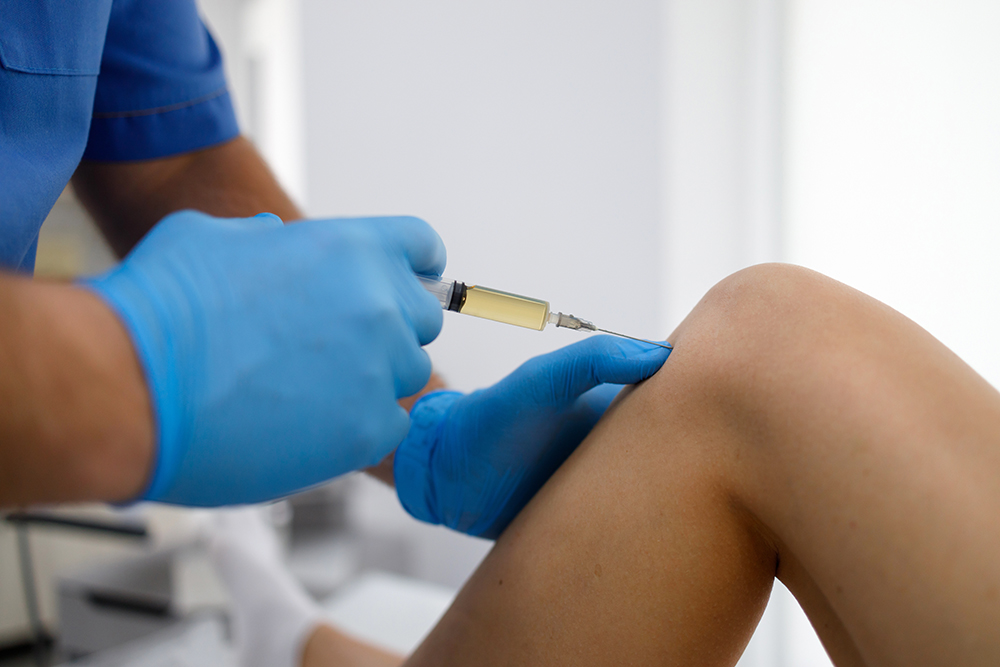 Regenerative joint treatments such as shock wave therapy and ozone therapy are options that relieve pain and reduce inflammation. Treatments such as prolotherapy successfully provide non-surgical treatment of meniscus tears. Other swollen knee treatments effective for preventing recurring knee problems include:
- Stem cell therapy. Stem cells are called master cells because they can grow and self-differentiate to become cells that mimic other cells from other parts of the body. This includes cartilage and bone. The stem cells are harvested from your own body, so they’re made specifically for you.
- BMAC. This is a cell-based therapy that uses cells from your own bone marrow. The sample is collected, and a concentrate is made by using a centrifuge to process your sample and then inject the cells that contain growth factors to treat injuries to bone, cartilage and soft tissues.
- Adipose tissue injection. In this procedure, your own fat tissue is used. Some call it mini liposuction because of the extraction process. This process relies on your body’s natural regenerative abilities and is useful for areas where soft tissues have been damaged.
- Platelet-rich plasma therapy (PRP). Your own blood is sampled and centrifuged to separate into platelet rich plasma. The plasma is injected into the affected area to repair the damaged tissue.
These therapies treat the underlying issue of repairing your damaged tissues, which causes the fluid to accumulate in the first place. And they’re safe because you don’t risk rejection, infection from incisions or a long recovery period from surgery.
How Do I Take Control of My Knee Health?
If you’re experiencing a swollen knee that doesn’t respond to simple at-home treatments like ice, rest and elevation, you may need swollen knee treatment at Stem Cell Therapy NYC. They provide you with an individualized assessment and discuss the treatment options specifically available to you. They explain what to expect before, during and after treatment.
Step into solutions and surrender the pain and uncertainty that comes from delaying action. Contact Stem Cell Therapy NYC to schedule a consultation. They have multiple locations in New York City. Expedited appointments are available.
Page Updated on May 7, 2026 by Stem Cell Therapy