

Is PRP for Plantar Fasciitis a Viable Treatment Option?
Platelet-rich plasma (PRP) is a safe and effective form of regenerative therapy that’s used to treat many painful conditions including plantar fasciitis. With this form of treatment, your own blood cells are used to accelerate healing of inflamed tissues. PRP injections consist of a concentration of platelet-rich protein that releases growth factors to enhance the body’s natural healing process.
PRP for nerve problems has emerged as an effective form of treatment when a conventional approach has failed to provide relief for plantar fasciitis and other painful conditions. Dr. Leon Reyfman is a board- certified interventional pain management specialist with extensive experience in treating chronic pain and providing PRP therapy and stem cell therapy.
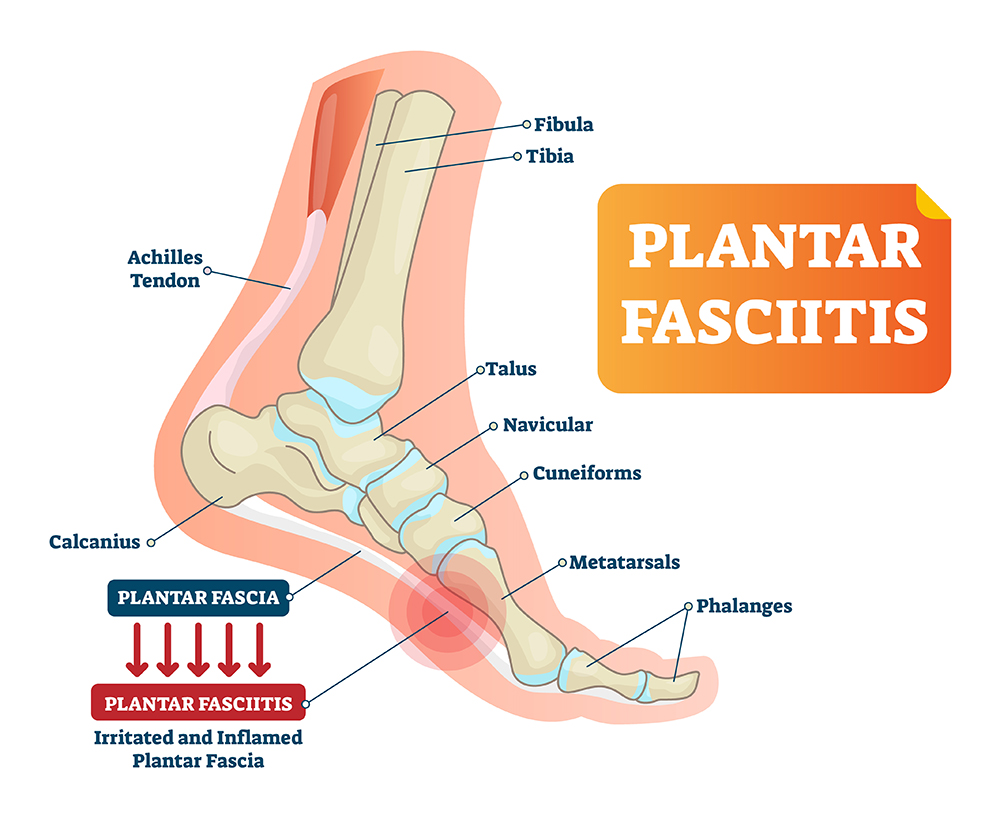
What Symptoms May Be Relieved with PRP for Plantar Fasciitis?
Plantar fasciitis is an inflammation of the plantar fascia in the foot, which is a thick band of tissue that runs along the bottom of the foot. This tissue becomes inflamed when stretched too far, leading to plantar fasciitis, the most common cause of heel pain. Symptoms that may be relieved with PRP for plantar fasciitis include:
- Pain on the bottom of the foot near the heel
- Stiffness
- Pain in the arch of the foot
- Swelling around the heel
The pain of plantar fasciitis is often worse first thing in the morning. Activities that put stress on the foot such as jumping and running usually cause the pain to worsen. The affected area is typically tender to the touch. When you have chronic plantar fasciitis, you may experience shooting pains whenever you stand up after sitting a while, which makes it difficult to do everyday tasks.
Who Is a Good Candidate for Treatment with PRP for Plantar Fasciitis?
If you have ongoing symptoms of plantar fasciitis, you’re looking for a non-surgical form of treatment and more conservative forms of treatment haven’t worked for you, you may be a good candidate for treatment with PRP for plantar fasciitis. You may not be an ideal candidate for the procedure under certain circumstances, such as:
- You’re on anticoagulants or you have a blood disorder.
- You’re pregnant.
- You have an active infection that could be spread by injections.
- You have cancer.
- You had foot surgery in the past.
- You have an inflammatory disorder that’s not responding to medication.
When you’ve had symptoms of plantar fasciitis for more than three months and have been unable to obtain relief from other forms of conservative treatment like rest and physical therapy, PRP for plantar fasciitis may be ideal. When considering PRP, your NYC pain doctor reviews your health history to make sure this type of treatment is safe for you.
What’s Involved in Treatment with PRP for Plantar Fasciitis?
PRP treatment is an outpatient procedure that’s done in the comfort of your New York City pain physician’s office. The steps to expect include:
- The healthcare team draws some blood.
- Blood is spun at high speed in a machine called a centrifuge that separates the components of the blood and extracts the platelets-rich plasma.
- Your doctor may apply a numbing solution to your foot.
- The concentrated platelets are injected into the area being treated on your foot. Ultrasound is used to guide the injection to the damaged area.
PRP injections are nearly painless when given by an experienced NYC pain specialist. The procedure takes about an hour. Once the procedure is finished, you remain lying down for about 15 minutes. Your pain doctor gives you post-procedural instructions that may include:
- Avoiding bearing weight on the treated foot for 48 hours
- Using compression with ice several times a day
- No intense activities like running or jumping for at least two weeks
There may be some discomfort for the first few days as your body works to heal. Within a couple of weeks, you should be able to resume all activities. A follow-up appointment is scheduled for a few weeks after the procedure to assess whether you need further treatment. Some people only require one treatment, but some may need a series of injections.
What Are the Benefits of PRP Treatment?
When plantar fasciitis doesn’t respond to efforts to relieve the pain, you may have difficulty walking or standing and your quality of life is reduced. Surgery to repair damaged nerves is risky and requires extensive recovery. Benefits of treatment with PRP include:
- Low risk. You’re treated with your own blood, so there’s little or no risk of having an adverse reaction.
- Short recovery time.You’re able to return to your normal activities quickly.
- May be used with other treatments.PRP is sometimes combined with other forms of treatment such as stem cell therapy and physical therapy.
- Natural method of healing.PRP therapy helps the body provide its own healing for damaged tissues.
- Pain relief.Many patients experience significant relief of pain and inflammation, reducing or eliminating the need for medication.
- Improved quality of life.With reduced pain comes improved mobility and restored functioning, allowing you to participate in activities you enjoy.
Don’t let ongoing pain from plantar fasciitis continue to cause discomfort or limit your activities. PRP for plantar fasciitis provides long-term healing of injured tissues. If you have questions, don’t hesitate to call Stem Cell Therapy NYC or visit the FAQ page. Contact one of five convenient NYC locations to make an appointment and get started toward a pain-free life.
Page Updated on Mar 23, 2026 by Stem Cell Therapy