
How Do Meniscal Tears Develop?
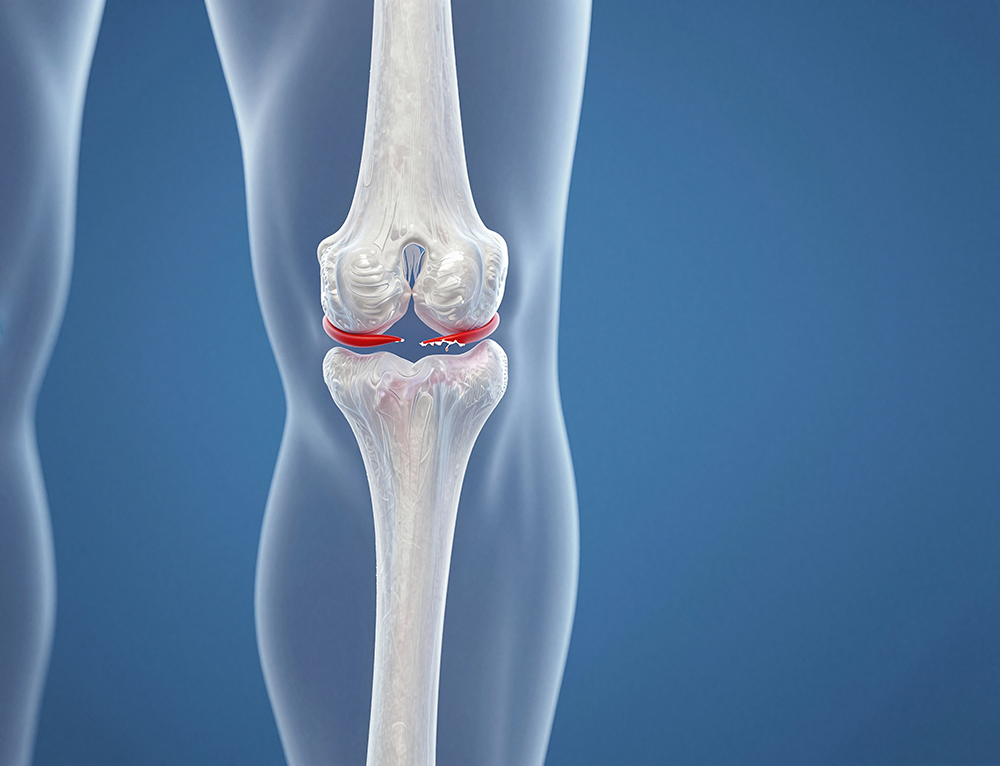
Your knee contains two pieces of cartilage known as the menisci, which are on the inside and outside of the knee joint. They absorb shock between your thighbone and your shinbone, enabling your knee to glide smoothly in the joint and remain stable. A meniscal tear occurs when this cartilage is torn or damaged. Several forms of meniscal tears include:
- Medial meniscal tear.This is the most common type that occurs to the inside of your knee and frequently results from twisting or turning forcefully.
- Lateral meniscal tear.This hurts the outside of your knee and might be caused by a sudden pivot, rough landing or direct impact.
- Degenerative meniscal tear.This occurs over time as cartilage deteriorates as you age. Your meniscus weakens and is at higher risk of tearing, particularly if you have knee arthritis.
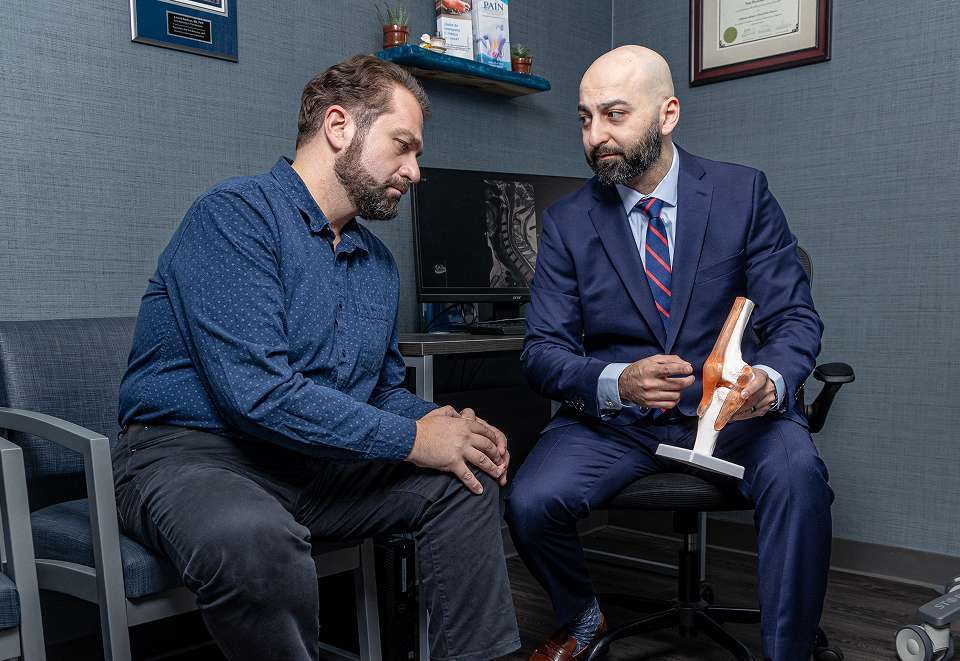
Regardless of the kind of meniscal tear you’ve suffered, PRP for a meniscus tear at Stem Cell Therapy NYC is designed to restore knee function without surgery. Dr. Leon Reyfman and his team of specialists are experts at regenerative therapies like platelet-rich plasma (PRP) therapy and stem cell therapy for meniscal tears and numerous other conditions.
What Makes PRP for a Meniscus Tear an Effective Treatment Choice?
PRP for joint pain injections assist your body in naturally rebuilding and restoring your knee’s health. You don’t need to rely on artificial measures. Painkillers and corticosteroid injections might bring fast relief, but rather than treat the source, they suppress your meniscal tear symptoms that may include:
- Knee pain
- Swelling or stiffness
- Popping or clicking sounds
- Knee locking or catching
- Trouble moving the knee
- Feeling like the knee may give out
PRP for a meniscus tear, however, targets the root cause of your painful issue. The platelets act to decrease inflammation, repair the damaged tissue and rebuild your meniscus over time. If you desire to prevent surgery and the lengthy recovery that accompanies it, your NYC doctor explains what to expect before, during and after the treatment.
Am I a Good Candidate for a PRP Meniscal Injection?
PRP is beneficial if your tear is partial, stable or related to degenerative changes due to aging or overuse. These types of tears often cause chronic pain but don’t always require surgery. If your tear is severe or your knee is locked, your doctor may recommend surgery instead. You’re likely a good candidate for PRP if you’re in overall good health and don’t have conditions that could slow down your body’s natural healing process, such as:
- Uncontrolled diabetes
- Active infections
- Blood or clotting disorders
- Autoimmune diseases that affect healing
PRP is also a great choice if you’re an athlete, fitness enthusiast or just someone who enjoys being active. If your meniscus tear occurred in a game, exercise or unexpected movement, a PRP meniscus injection assists you in getting your strength and stability back. If rest, physical therapy or cortisone injections haven’t helped alleviate your pain, PRP may be the next step in your recovery.
How Many PRP Meniscus Injections Are Needed for Healing?
Healing is different for everyone. You might feel better after one session, while some might need to repeat the sessions. Your age, general health and the type or size of the tear all play a role in how rapidly your knee heals. The average number of PRP meniscus injections varies with a schedule, such as:
- A single injection.If your tear is minimal or small, a single visit might be sufficient to ease pain and enhance knee function.
- Two injections.For a moderate tear or for someone who is very active, a second session several weeks later provides added support and promotes healing.
- Three injections. For bigger or degenerative tears, a third treatment can be recommended to provide your knee with ongoing regenerative assistance.
Your doctors at Stem Cell Therapy NYC monitor your progress after every session and advise you on whether additional treatments are required. You experience gradual improvement in pain, swelling and knee strength after every injection.
What Happens During My PRP for a Meniscus Tear Procedure?
The initial process is a quick blood draw, just like a standard lab test. This blood is rich in platelets full of growth factors that are used to heal your meniscus naturally. The process is minimal and typically takes a few minutes.
After your blood is drawn, it’s spun in a centrifuge that rapidly rotates the blood to break down its components. This separates the platelet-rich plasma that’s teeming with healing proteins and growth factors. The PRP is injected directly into your meniscus through a method that includes:
- Ultrasound or imaging guidance to place the PRP precisely
- Targeted delivery of growth factors to the injured tissue
- A minimally invasive injection completed in just a few minutes
How Quickly Do I See Results After a PRP Meniscus Injection?
Your recovery is based on how serious your tear is, your age, overall health and how active you are. Within the first week, you can expect some slight soreness or swelling. Your knee will feel more stable and easier to move after a few weeks. You expect easier motion and less pain when doing light activity within around four weeks. As the healing continues, you see significant improvement in pain with improved mobility and the capacity to resume moderate activities.
Your treatments are tailored to your needs, while the experienced staff helps you review costs, insurance and financing options. No matter where you are in NYC, they have convenient locations to serve you. Contact Stem Cell Therapy NYC now to schedule an appointment for meniscus tear pain relief.
Page Updated on Mar 23, 2026 by Stem Cell Therapy